
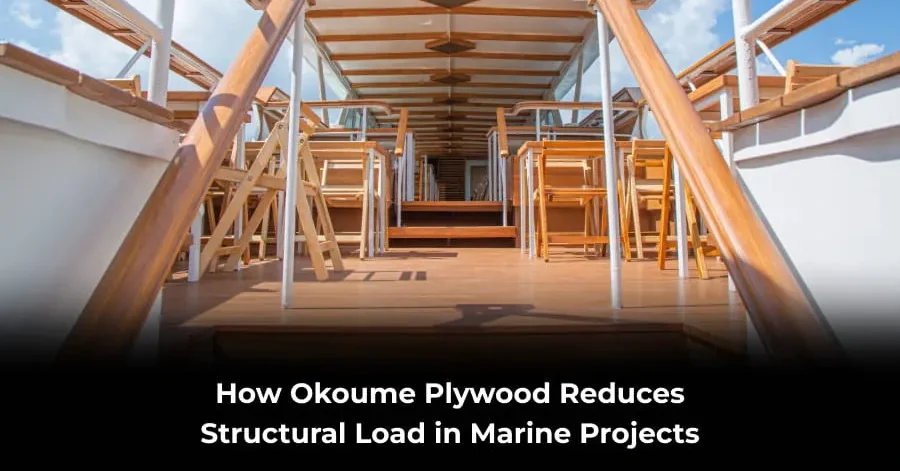
The Hidden Weight Problem in Marine Construction
In marine engineering, every kilogram matters.
Whether you’re building a high-performance speedboat, a fishing vessel, floating docks, or yacht interiors, structural weight directly impacts fuel efficiency, buoyancy, stability, and long-term durability. Heavy materials increase drag, demand more engine power, and accelerate wear and tear.
This is where okoume plywood becomes a game-changer.
Known for its lightweight yet durable composition, okoume marine plywood has become a preferred material in modern boatbuilding and coastal infrastructure projects. If you’re sourcing materials from a trusted woodworking supplies store in Gabon or planning your next marine construction project, understanding how okoume wood reduces structural load can significantly improve both performance and cost-efficiency.
Let’s dive deep into why this African hardwood plywood is transforming marine construction.
What Is Okoume Plywood?
Okoume plywood is manufactured from okoume wood, derived from the Aucoumea klaineana tree, primarily grown in Central Africa, especially Gabon. It is widely recognized for its:
- Lightweight structure
- Uniform grain pattern
- Excellent strength-to-weight ratio
- Superior bonding properties
When treated and bonded with waterproof adhesives, it becomes okoume marine plywood, specifically designed to withstand moisture, humidity, and marine environments.
Because Gabon is one of the largest producers of okoume wood, many marine-grade plywood solutions originate from responsibly managed forests in the region.
Why Structural Load Matters in Marine Projects
Structural load refers to the total weight a structure must carry, including:
- Self-weight (dead load)
- Operational load (crew, equipment, cargo)
- Environmental forces (waves, wind, impact)
In marine construction, excessive weight results in:
- Reduced fuel efficiency
- Increased engine strain
- Lower buoyancy
- Greater stress on joints and fasteners
- Higher long-term maintenance costs
Using lightweight materials like okoume plywood helps distribute load more efficiently without compromising structural integrity.
1. Exceptional Strength-to-Weight Ratio
One of the most significant advantages of okoume plywood is its low density combined with impressive strength.
Compared to traditional hardwood plywood, okoume marine plywood is substantially lighter. Yet, due to its layered veneer construction and strong bonding, it maintains excellent structural stability.
How This Reduces Structural Load:
- Lower overall vessel weight
- Reduced stress on hull framework
- Less reinforcement required
- Improved hydrodynamic performance
In small to mid-sized vessels, switching to okoume plywood can reduce total structural weight by a noticeable margin, enhancing speed and fuel economy.
2. Reduced Reinforcement Requirements
Heavier materials often require:
- Additional bracing
- Stronger framing
- Thicker structural supports
Because okoume wood is lightweight but stable, marine designers can:
- Optimize frame spacing
- Use thinner panels without sacrificing durability
- Reduce secondary support materials
This creates a cascading weight reduction effect throughout the entire project.
For boat builders and contractors sourcing from a reliable woodworking supplies store in Gabon, this means fewer materials, lower transport costs, and streamlined construction.
3. Superior Workability Enhances Design Efficiency
Another major advantage of okoume plywood is its excellent machinability.
It is:
- Easy to cut
- Simple to shape
- Ideal for curved hull designs
- Compatible with modern adhesives and coatings
This flexibility allows engineers to create streamlined hull forms, which:
- Reduce water resistance
- Improve buoyancy balance
- Optimize weight distribution
Complex shapes that would be difficult with heavier plywood become feasible and lighter with okoume marine plywood.
4. Moisture Resistance Without Added Bulk
Marine environments are harsh:
- Constant humidity
- Saltwater exposure
- Temperature fluctuations
Okoume marine plywood is manufactured using waterproof adhesives and often sealed with protective coatings. This ensures durability without requiring:
- Excessively thick boards
- Heavy pressure-treated materials
The result? Structural resilience without unnecessary mass.
When evaluating plywood using a proper wood grading system, marine-grade okoume ranks highly for uniform veneer quality, minimal voids, and reliable bonding—essential for safe marine construction.
5. Improved Fuel Efficiency and Operational Savings
Reducing structural load directly impacts fuel consumption.
A lighter boat:
- Requires less engine power
- Accelerates faster
- Travels more efficiently
Over time, the savings in fuel and maintenance can outweigh the initial material investment.
Commercial fishing boats, patrol vessels, and recreational yachts all benefit from this long-term efficiency advantage.
6. Compliance with Modern Marine Engineering Standards
Modern marine engineering emphasizes:
- Sustainable sourcing
- Efficient materials
- Structural optimization
Okoume wood, particularly from responsibly managed Gabonese forests, supports eco-conscious marine projects. Many suppliers follow international wood grading system protocols to ensure consistency and marine-grade performance.
This makes okoume plywood not only structurally efficient but also aligned with global sustainability goals.
Applications of Okoume Marine Plywood in Marine Projects
Here’s where okoume plywood truly shines:
- Boat hulls
- Deck structures
- Bulkheads
- Interior cabinetry
- Floating platforms
- Canoes and kayaks
- Yacht interiors
Because of its lightweight nature, it is especially popular in:
- High-speed boats
- Racing yachts
- Custom marine builds
Builders searching for premium-grade materials often rely on a trusted woodworking supplies store in Gabon to source authentic okoume marine plywood with verified grading standards.
Understanding the Wood Grading System for Marine Projects
Choosing the right plywood is not just about weight it’s about quality.
A proper wood grading system evaluates:
- Veneer uniformity
- Knot presence
- Core voids
- Adhesive bonding quality
- Moisture resistance
Marine-grade okoume plywood typically meets strict grading standards to ensure:
- Structural safety
- Long-term durability
- Resistance to delamination
Always verify certifications when sourcing okoume wood for marine construction to ensure performance integrity.
Why Gabon Is a Global Leader in Okoume Wood
Gabon is one of the world’s primary exporters of okoume wood. Its forests provide high-quality raw material used in marine plywood manufacturing worldwide.
When purchasing from a reputable woodworking supplies store in Gabon, buyers gain access to:
- Authentic okoume plywood
- Properly graded marine plywood
- Export-quality standards
- Sustainable forest management practices
This geographic advantage makes Gabon a strategic sourcing destination for marine-grade plywood.
Why Choose AEW Woods for Okoume Marine Plywood?
If you are looking for premium okoume plywood for marine construction, AEW Woods stands out as a reliable supplier in Gabon.
AEW Woods offers:
- High-quality okoume marine plywood
- Strict adherence to wood grading system standards
- Sustainably sourced okoume wood
- Export-ready products
- Customized thickness and dimensions
As a trusted woodworking supplies store in Gabon, AEW Woods supports boat builders, marine contractors, and architects with durable, lightweight plywood solutions designed specifically for structural performance in marine environments.
Conclusion: Lightweight Strength That Transforms Marine Engineering
In marine construction, structural load is not just a technical metric it directly influences performance, cost, safety, and efficiency.
By choosing okoume plywood, builders gain:
- Reduced vessel weight
- Improved fuel efficiency
- Enhanced design flexibility
- Long-term durability
- Sustainable sourcing
Whether you’re building a high-speed boat, a luxury yacht interior, or marine infrastructure, okoume marine plywood offers a balance of strength and lightweight performance that few materials can match.
For premium-grade materials sourced directly from a trusted woodworking supplies store in Gabon, AEW Woods provides high-quality okoume wood solutions designed for demanding marine applications.
When performance meets precision, okoume plywood becomes the foundation of smarter marine construction.
Frequently Asked Questions:
- Why is okoume plywood preferred for marine projects?
Okoume plywood is lightweight, strong, and resistant to moisture when manufactured as okoume marine plywood. Its excellent strength-to-weight ratio reduces structural load while maintaining durability in marine environments.
- Is okoume marine plywood waterproof?
Okoume marine plywood is manufactured using waterproof adhesives and designed to withstand humidity and water exposure. However, proper sealing and finishing are essential for long-term performance.
- How does the wood grading system affect marine plywood quality?
A proper wood grading system ensures veneer quality, bonding strength, and minimal voids. Higher grades of okoume plywood provide better structural reliability and safety for marine use.
- Where can I buy authentic okoume wood in Gabon?
You can source premium okoume wood and okoume marine plywood from a reliable woodworking supplies store in Gabon, such as AEW Woods, which follows strict grading and export standards.
- Does using okoume plywood reduce overall boat cost?
Yes. Although initial material costs may vary, reduced structural load improves fuel efficiency, decreases reinforcement needs, and lowers long-term maintenance costs—making okoume plywood a cost-effective solution.