


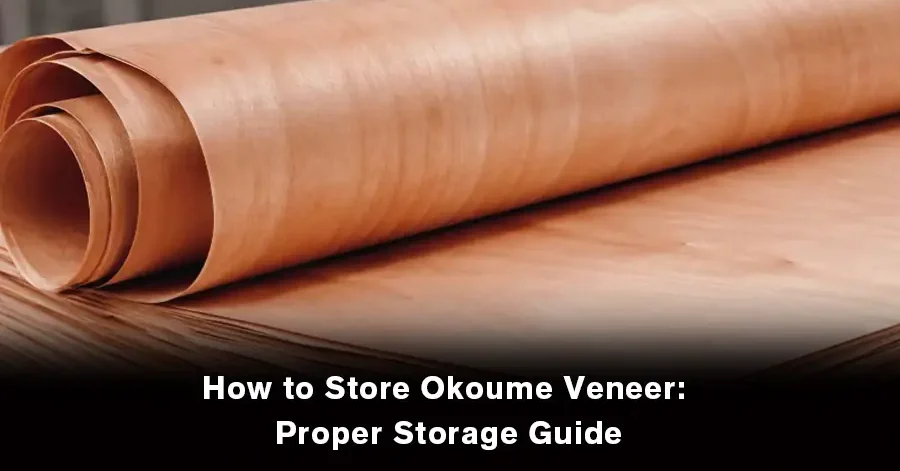
Knowing how to store Okoume veneer properly can help buyers avoid warping, cracking, mold and unnecessary material waste. This is especially important when veneer is imported in large quantities and may remain in a warehouse for several weeks before entering production.
Okoume veneer is lightweight and easy to process, but like other natural wood products, it responds to changes in moisture and temperature. Good storage is therefore not just about keeping the bundles dry. The goal is to maintain stable conditions from arrival through production.
Why Proper Okoume Veneer Storage Matters
Poor storage conditions can gradually affect veneer quality. Excessive moisture may cause staining, mold or uneven moisture content, while very dry conditions can increase the risk of cracking and shrinkage.
Improper handling may also cause sheets to curl or warp, making them more difficult to feed into production equipment.
For European furniture manufacturers, plywood producers and timber distributors, these problems can become costly. A shipment that looked perfect when unloaded may show quality issues later if it is stored in an unsuitable environment.
That is why how to store Okoume veneer should be considered part of the overall quality-control process.
1. Keep the Warehouse Dry and Clean
The storage area should be dry, clean and reasonably well ventilated.
Never place Okoume veneer directly on a concrete floor. Concrete can transfer moisture to the bottom of a bundle, particularly in warehouses with high humidity. Instead, place the material on pallets, timber supports or another raised platform.
Keep veneer away from:
- Roof leaks and rainwater
- Standing water
- Damp walls
- Condensation
- Open loading areas
- Strong sources of heat
A clean warehouse also reduces the risk of dust and contamination reaching the veneer surface.
2. Control Humidity and Temperature
Humidity is one of the most important factors in veneer storage.
For general warehouse conditions, a relative humidity level of around 40–60% is a practical target. Temperature should also remain reasonably stable. Large and sudden changes are more problematic than normal seasonal variations.
European warehouses may face very different conditions throughout the year. Summer can bring high humidity, while winter heating can make indoor air considerably drier.
If your warehouse experiences significant fluctuations, consider monitoring temperature and relative humidity with a simple digital meter.
Stable conditions help the veneer maintain a more consistent moisture balance and reduce dimensional movement.
3. Store Veneer Flat
When considering how to store Okoume veneer, stacking is easy to overlook.
Keep veneer bundles flat on a level and properly supported surface. The support should extend across the bundle rather than concentrating weight in only a few areas.
Avoid leaning large quantities of veneer against walls for long periods. Thin sheets can gradually develop a permanent curve when stored this way.
Do not stack bundles excessively high either. Heavy upper bundles can place unnecessary pressure on the lower material and make handling more difficult.
Good stacking also makes stock checking and loading much safer.
4. Protect the Veneer from Direct Sunlight
Direct sunlight can heat veneer unevenly and accelerate moisture loss from exposed surfaces. Over time, this may affect both stability and appearance.
Store Okoume veneer away from large windows and areas exposed to direct sunlight. This is particularly important for veneer intended for furniture, decorative panels and visible plywood surfaces.
If the material must be moved between indoor and outdoor areas, avoid leaving it outside for extended periods. Sudden environmental changes can cause unnecessary moisture movement.
5. Check Moisture Before Production
Moisture control should continue after the shipment reaches your warehouse.
Before production, especially after long-term storage, check the moisture content of representative veneer bundles with a suitable moisture meter.
This step is useful when material has travelled from a tropical climate to a European destination. The veneer may gradually adjust to the new environment after arrival.
If different bundles show noticeably different readings, do not simply mix them together and start production. First check whether some bundles were exposed to moisture or stored under different conditions.
For manufacturers, consistent moisture content can make gluing and pressing more predictable.
6. Use Proper Packaging and Air Circulation
Packaging protects veneer during transport and storage, but damaged or wet packaging should never be ignored.
Inspect the outside of each bundle after delivery. Look for wet areas, condensation, damaged wrapping or signs of water exposure.
If protective plastic is used for storage, make sure damp material is not sealed inside for a long period. Trapped moisture can create conditions that encourage mold growth.
The practical approach is to protect the veneer from accidental moisture while maintaining a stable warehouse environment and reasonable air circulation.
7. Follow FIFO for Imported Stock
If you regularly purchase Okoume veneer, use a FIFO (first in, first out) inventory system.
Record basic information such as:
- Arrival date
- Supplier
- Veneer grade
- Thickness
- Quantity
- Moisture readings
Use older stock first unless there is a specific production reason to do otherwise.
This prevents bundles from being forgotten at the back of the warehouse and makes it easier to trace quality issues to a particular shipment.
Common Storage Mistakes to Avoid
Some of the most common mistakes are simple:
- Storing veneer directly on the floor
- Leaving bundles near open warehouse doors
- Ignoring humidity changes
- Using uneven supports
- Sealing damp veneer in plastic
- Exposing sheets to direct sunlight
- Keeping inventory for too long without inspection
- Skipping moisture checks before production
Avoiding these problems does not require a complicated storage system. Consistency is usually more important.
How Long Can Okoume Veneer Be Stored?
There is no universal storage period for every Okoume veneer product. The practical storage life depends on moisture content, thickness, packaging, warehouse conditions and the intended application.
Under stable, dry conditions, veneer can remain usable for an extended period. However, long-term storage should always include periodic inspections.
Check bundles for warping, cracking, discoloration, mold or unusual moisture changes. Early detection can prevent a small storage problem from becoming a large production loss.
Conclusion
Good storage is essential for protecting Okoume veneer quality after purchase. If you know how to store Okoume veneer, focus on four basics: stable humidity, a dry warehouse, flat stacking and regular inspection.
For European buyers importing veneer over long distances, these simple practices can help reduce warping, moisture problems and material waste. Proper storage also helps maintain the veneer’s appearance and workability, so it is ready for production when needed.