


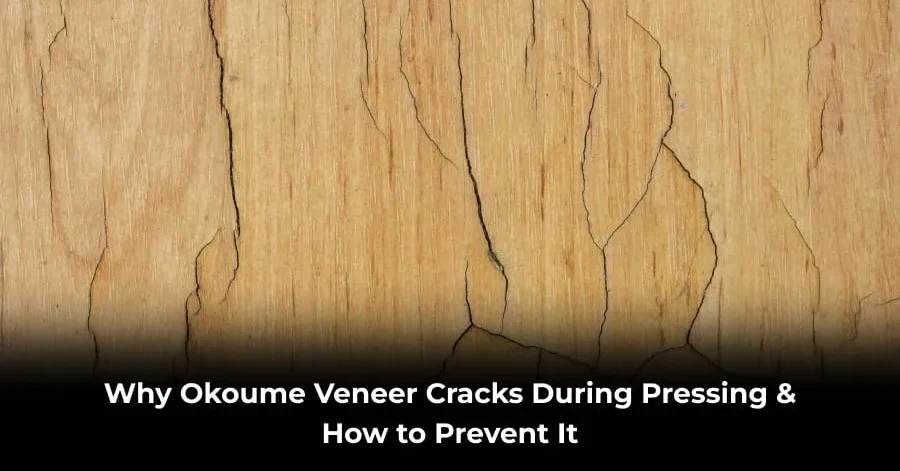
When manufacturing premium plywood, even a tiny crack in the veneer can lead to major quality issues. For manufacturers, furniture makers, and buyers working with okoume veneer plywood, veneer cracking during the pressing process is one of the most frustrating production problems. It not only affects the appearance of the plywood but also reduces durability, bonding strength, and overall product value.
So why does this happen? More importantly, how can it be prevented?
In this guide, we’ll break down the real reasons behind veneer cracking during pressing, practical prevention techniques, and how choosing quality okoume wood and trusted suppliers can make all the difference.
Understanding Okoume Veneer & Its Growing Demand
Before diving into the issue, it’s important to understand why okoume plywood is so widely used across industries.
Derived from the African hardwood tree Aucoumea klaineana, okoume timber is known for being lightweight, flexible, smooth, and aesthetically appealing. These properties make it highly popular in:
- Marine construction
- Furniture manufacturing
- Interior design
- Cabinetry
- Decorative panels
- Luxury woodworking projects
Because of its moisture resistance and strength-to-weight ratio, okoume marine plywood is especially preferred for boat building and humid environments.
As global demand rises, many buyers source materials through a trusted woodworking supplies store in Gabon, where high-quality African hardwoods and veneers are widely available.
What Causes Okoume Veneer Cracks During Pressing?
Veneer cracking during pressing usually occurs due to stress imbalance, improper moisture handling, or incorrect machine settings. Since okoume wood is lightweight and relatively soft compared to other hardwoods, it requires careful processing.
Here are the major causes:
1. Incorrect Moisture Content in the Veneer
One of the most common reasons for cracks is uneven moisture levels.
If the veneer is too dry:
- It becomes brittle
- Flexibility decreases
- Pressure during pressing creates splits
If it’s too wet:
- Steam pressure builds internally
- Fibers expand unevenly
- Surface cracks appear after pressing
For high-quality okoume veneer plywood, maintaining balanced moisture content is essential before hot pressing begins.
Ideal Moisture Range
Most manufacturers recommend:
- 8%–12% moisture content for stable pressing
Anything outside this range increases the risk of cracking.
2. Excessive Pressing Temperature
Heat plays a critical role in plywood production. However, too much heat can damage delicate veneer sheets.
Since okoume plywood has thin and flexible grain patterns, overheating causes:
- Fiber shrinkage
- Surface tension
- Dry fractures
- Micro-cracks in the grain
When temperatures rise too quickly, the outer layer dries before the inner layers stabilize.
3. High Pressure During Hot Pressing
Applying excessive pressure is another major cause of veneer damage.
Too much pressing force can:
- Crush wood fibers
- Create stress lines
- Split weak grain sections
- Cause edge cracking
Premium okoume marine plywood manufacturers carefully calibrate pressure settings based on veneer thickness and glue spread.
4. Poor Veneer Quality
Not all veneer sheets are equal.
Low-grade okoume timber may contain:
- Knots
- Hidden splits
- Uneven grain
- Fiber weaknesses
These defects become more visible during pressing.
This is why sourcing from a reliable woodworking supplies store in Gabon is critical for consistent plywood quality.
5. Uneven Glue Application
Improper glue distribution creates stress points across the veneer surface.
When glue is applied unevenly:
- Certain areas absorb more moisture
- Expansion becomes irregular
- Pressure distribution changes
- Veneers crack under heat
Manufacturers producing premium okoume veneer plywood use precision glue rollers to ensure balanced coating.
6. Improper Veneer Storage Conditions
Storage conditions directly impact veneer flexibility.
If okoume wood veneers are stored in:
- Extremely dry environments
- Direct sunlight
- High heat exposure
- Poorly ventilated areas
the sheets lose natural moisture and elasticity, making them prone to cracking during pressing.
How to Prevent Okoume Veneer Cracks During Pressing
The good news is that veneer cracking can largely be prevented with the right production techniques.
1. Maintain Proper Moisture Balance
The first and most important step is moisture control.
Best Practices:
- Use moisture meters regularly
- Store veneers in climate-controlled environments
- Avoid over-drying before pressing
- Condition veneers before hot pressing
For manufacturers handling okoume plywood, moisture consistency is the foundation of quality production.
2. Optimize Press Temperature
Gradual and controlled heating prevents sudden fiber stress.
Recommended Tips:
- Use moderate pressing temperatures
- Avoid rapid heat increases
- Monitor internal core temperature
- Adjust settings based on veneer thickness
High-end okoume marine plywood factories use automated temperature control systems for precision manufacturing.
3. Apply Balanced Pressure
Pressure settings should match:
- Veneer thickness
- Wood density
- Adhesive type
- Layer structure
Applying excessive force to thin okoume wood veneers can easily damage the grain structure.
Modern hydraulic presses with pressure balancing systems help reduce cracking significantly.
4. Source High-Quality Okoume Veneers
Quality raw material makes a massive difference.
Premium-grade veneers:
- Have consistent grain
- Contain fewer defects
- Offer better flexibility
- Press more evenly
Many global manufacturers source directly from a trusted woodworking supplies store in Gabon to ensure authentic African okoume timber quality.
5. Use Proper Glue Formulations
Adhesives should complement the wood’s flexibility.
For best results:
- Use balanced-viscosity adhesives
- Avoid over-application
- Ensure even glue spread
- Match adhesive curing time with press cycle
This is especially important when manufacturing moisture-resistant okoume marine plywood.
6. Pre-Condition Veneers Before Pressing
Pre-conditioning helps stabilize veneer sheets before exposure to heat and pressure.
Common Conditioning Methods:
- Controlled humidity exposure
- Steam conditioning
- Temperature equalization
- Relaxation stacking
This process reduces internal stress and improves flexibility.
Why Okoume Veneer Requires Specialized Handling
Unlike dense hardwoods, okoume wood is valued for its lightweight nature and smooth appearance. While this makes it ideal for decorative and marine applications, it also means the veneer is more sensitive during manufacturing.
That’s why experienced plywood manufacturers:
- Use advanced pressing systems
- Monitor moisture carefully
- Select premium veneer grades
- Invest in controlled production environments
These steps ensure crack-free, durable, and visually appealing okoume veneer plywood.
Industries That Depend on Crack-Free Okoume Plywood
Veneer quality directly impacts the final product in many industries.
Key Applications Include:
- Luxury furniture
- Marine interiors
- Yacht construction
- Modular kitchens
- Decorative wall panels
- Architectural interiors
- High-end cabinetry
Even small veneer cracks can reduce the lifespan and appearance of finished products.
This is especially critical for okoume marine plywood, where structural integrity and water resistance are essential.
Why Choosing the Right Supplier Matters
The quality of plywood begins with the quality of the wood source.
Working with an established woodworking supplies store in Gabon gives manufacturers access to:
- Authentic African okoume timber
- Properly processed veneers
- Sustainable forestry practices
- Consistent veneer grading
- Export-quality materials
Reliable sourcing helps reduce manufacturing defects and improves final plywood performance.
AEW Woods – Trusted Source for Premium Okoume Wood Products
When it comes to sourcing premium okoume wood, veneer sheets, and plywood materials, AEW Woods stands out as a trusted name in the industry.
AEW Woods specializes in:
- High-quality okoume veneer plywood
- Durable okoume plywood
- Export-grade okoume marine plywood
- Sustainable African hardwood sourcing
- Reliable timber supply solutions
With a strong commitment to quality and consistency, AEW Woods works closely with trusted suppliers and manufacturers to deliver superior plywood products for furniture, marine, and architectural applications.
Whether you’re a manufacturer, contractor, or furniture brand, AEW Woods provides dependable solutions tailored to modern woodworking needs.
Conclusion
Cracking during veneer pressing is a common challenge, but it is completely manageable with the right approach. Factors like moisture imbalance, excessive heat, poor veneer quality, and improper pressure settings are the primary reasons behind cracks in okoume veneer plywood.
By using premium-grade okoume wood, maintaining controlled production conditions, and sourcing from a trusted woodworking supplies store in Gabon, manufacturers can significantly reduce defects and improve plywood quality.
As demand for high-performance okoume plywood and okoume marine plywood continues to grow, precision manufacturing and quality sourcing will remain essential for long-lasting, crack-free plywood products.
Frequently Asked Questions:
- Why does okoume veneer crack during hot pressing?
Cracking usually occurs due to low moisture content, excessive heat, uneven pressure, or poor veneer quality during the plywood pressing process.
- Is okoume plywood suitable for marine applications?
Yes, okoume marine plywood is widely used in boat building and humid environments because of its lightweight structure, durability, and moisture resistance.
- How can manufacturers prevent veneer cracks in okoume plywood?
Manufacturers can prevent cracks by maintaining proper moisture levels, controlling press temperature, using balanced pressure, and sourcing high-quality okoume timber.
- Why is okoume wood popular in furniture manufacturing?
Okoume wood is lightweight, smooth, flexible, and visually attractive, making it ideal for furniture, cabinetry, and decorative interiors.
- Where can buyers source premium okoume timber?
Many global buyers source high-quality materials from a reliable woodworking supplies store in Gabon, known for authentic African hardwood exports.