

When it comes to premium wood materials, few products match the elegance and versatility of okoume veneer plywood. Known for its lightweight structure, smooth finish, and superior durability, okoume plywood is widely used in marine construction, luxury furniture, cabinetry, and interior design projects worldwide. However, despite its impressive strength, one common issue during logistics and shipping is surface denting.
Whether you are a manufacturer, exporter, contractor, or sourcing from a trusted woodworking supplies store in Gabon, preventing dents during transportation is essential to maintain quality and customer satisfaction.
In this guide, we’ll explore practical strategies to protect okoume marine plywood, reduce transportation damage, and preserve the premium appearance of your okoume wood products.
Why Is Okoume Wood Prone to Surface Dents?
Before discussing prevention methods, it’s important to understand the nature of okoume timber.
Native to Central Africa, especially Gabon, okoume wood is appreciated for its:
- Lightweight density
- Smooth grain texture
- Excellent workability
- Attractive reddish-pink finish
- Moisture resistance in marine-grade applications
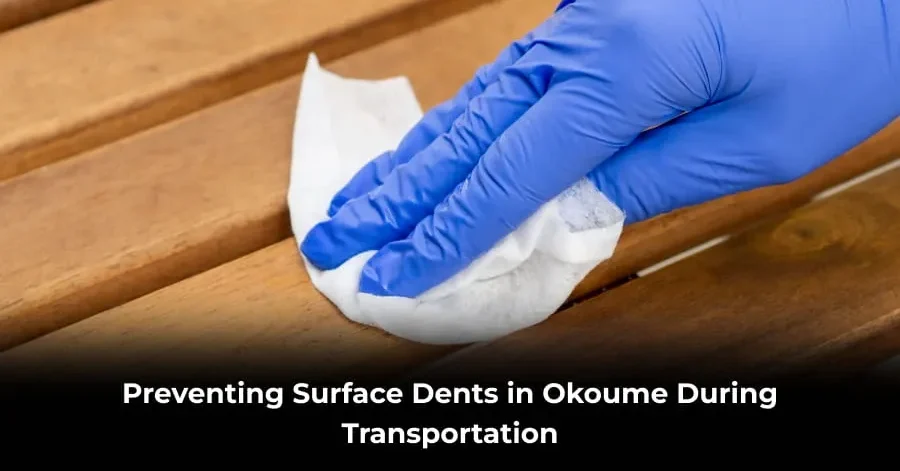
Because okoume plywood is relatively lightweight compared to hardwood alternatives, it can sometimes be more vulnerable to pressure marks, stacking damage, or impact dents during handling and shipping.
This is especially true when transporting large sheets of okoume veneer plywood across long distances or through multiple logistics checkpoints.
Common Causes of Surface Dents During Transportation
Understanding the root causes helps businesses minimize risks effectively.
1. Improper Stacking
Stacking heavy materials directly over okoume marine plywood sheets can create compression marks and surface dents.
2. Lack of Protective Packaging
Without corner guards, foam sheets, or protective wrapping, external pressure easily damages the surface of okoume plywood.
3. Rough Handling During Loading & Unloading
Forklift mishandling, dragging panels, or sudden impacts often lead to visible dents and scratches.
4. Moisture Exposure
Humidity can slightly soften wood fibers, making okoume timber more susceptible to dents during transit.
5. Vibrations During Shipping
Long-distance transportation via trucks or containers can create repeated friction and movement, damaging the surface finish.
Best Practices to Prevent Surface Dents in Okoume Veneer Plywood
Use High-Quality Protective Packaging
One of the simplest yet most effective methods is using durable packaging materials.
Recommended protective materials include:
- Foam separators
- Corrugated sheets
- Bubble wrap
- Edge protectors
- Waterproof covers
Premium suppliers of okoume veneer plywood often use multi-layer packaging systems to reduce direct pressure on panels.
Proper packaging not only prevents dents but also protects against scratches and moisture exposure.
Choose Proper Pallet Support
A weak or uneven pallet can create pressure points underneath the plywood stack.
To prevent this:
- Use flat industrial-grade pallets
- Ensure equal weight distribution
- Avoid overhanging sheet edges
- Add rubber cushioning where necessary
This is especially important for exporters shipping okoume marine plywood internationally.
Maintain Correct Stacking Height
Overstacking is a major cause of surface damage.
Experts recommend:
- Keeping stack height manageable
- Using separator boards between layers
- Avoiding excessive top weight
- Storing vertically only with proper support
Proper stacking helps preserve the smooth finish that makes okoume wood highly desirable in luxury woodworking projects.
Invest in Moisture-Controlled Transportation
Humidity fluctuations during shipping can weaken wood fibers temporarily.
To protect okoume plywood, businesses should:
- Use moisture-resistant wrapping
- Add silica gel packs in containers
- Ensure proper ventilation
- Avoid direct water exposure
Many buyers sourcing from a professional woodworking supplies store in Gabon now specifically request moisture-protected shipping solutions.
Train Logistics Teams for Careful Handling
Even the highest-quality packaging can fail if workers mishandle the product.
Loading teams should be trained to:
- Lift instead of drag plywood sheets
- Avoid sharp impacts
- Use padded forklift attachments
- Handle corners carefully
Proper handling significantly reduces transportation-related damage in okoume veneer plywood shipments.
Secure Loads Properly During Transit
Movement inside trucks or containers causes friction and impact damage.
To secure okoume timber safely:
- Use industrial straps
- Add anti-slip mats
- Fill empty container gaps
- Stabilize pallet positioning
A stable load minimizes vibration-related dents and ensures better product delivery quality.
Why Surface Protection Matters for Okoume Marine Plywood
For industries using okoume marine plywood, appearance and structural integrity are both critical.
Damaged surfaces can affect:
- Furniture aesthetics
- Paint adhesion
- Veneer finishing
- Cabinet quality
- Marine applications
Since okoume plywood is commonly used in premium projects, even minor dents can reduce customer satisfaction and increase replacement costs.
Smart Storage Tips Before and After Transportation
Transportation damage often occurs because of improper storage before dispatch or after delivery.
Ideal Storage Conditions for Okoume Wood
- Store in dry indoor areas
- Keep away from direct sunlight
- Maintain stable humidity levels
- Use flat support surfaces
- Avoid contact with concrete floors
These precautions help maintain the premium quality of okoume veneer plywood throughout the supply chain.
The Growing Global Demand for Okoume Timber
Today, okoume wood is increasingly popular in:
- Luxury yacht manufacturing
- Interior design
- Architectural projects
- Decorative paneling
- High-end furniture production
As demand rises globally, maintaining transportation quality becomes even more important for suppliers and exporters.
Many international buyers now prioritize suppliers that offer professional packaging and safe logistics support for okoume marine plywood shipments.
How Technology Is Improving Okoume Plywood Transportation
Modern logistics solutions are helping reduce damage rates significantly.
Some innovations include:
- Shock-monitoring sensors
- GPS-enabled shipment tracking
- Climate-controlled containers
- Smart packaging materials
- Automated loading systems
Leading exporters of okoume timber are adopting these technologies to improve customer satisfaction and reduce product loss.
Why Buyers Should Source from Reliable Suppliers
Choosing the right supplier plays a major role in preventing transportation damage.
Reliable suppliers typically provide:
- Premium-grade packaging
- Moisture-resistant protection
- Quality inspection before dispatch
- Proper palletization
- Experienced export handling
A trusted woodworking supplies store in Gabon can help ensure your okoume plywood arrives in excellent condition.
Why AEW Woods Is a Trusted Name for Okoume Products
When sourcing premium okoume veneer plywood, partnering with an experienced supplier matters.
AEW Woods is known for delivering high-quality okoume plywood, durable okoume marine plywood, and premium okoume timber solutions for global buyers. With a strong focus on quality control, safe packaging, and reliable transportation practices, AEW Woods helps businesses minimize shipping damage while maintaining exceptional product standards.
Whether you are looking for marine-grade panels, decorative plywood, or sourcing from a dependable woodworking supplies store in Gabon, AEW Woods provides trusted solutions tailored to your project needs.
Conclusion
Preventing surface dents in okoume wood during transportation requires a combination of proper packaging, careful handling, moisture control, and secure logistics practices.
As global demand for okoume veneer plywood continues to grow, businesses must prioritize transportation safety to preserve product quality and customer trust.
From proper pallet support to advanced shipping technologies, every precaution contributes to maintaining the premium appearance and durability of okoume plywood products.
Choosing experienced suppliers like AEW Woods further ensures that your okoume marine plywood reaches its destination safely, efficiently, and ready for high-end applications.
Frequently Asked Questions:
- Why does okoume plywood get dents during transportation?
Because okoume plywood is lightweight and smooth-textured, it can develop dents from pressure, improper stacking, rough handling, or inadequate packaging during shipping.
- How can I protect okoume veneer plywood during export shipping?
Use foam padding, edge protectors, moisture-resistant wrapping, strong pallets, and secure load stabilization to protect okoume veneer plywood during transportation.
- Is okoume marine plywood durable for long-distance transportation?
Yes, okoume marine plywood is highly durable when packaged and handled correctly using professional logistics and moisture-controlled shipping methods.
- Why is moisture control important for okoume timber?
Moisture can soften wood fibers temporarily, making okoume timber more vulnerable to dents, scratches, and surface damage during transit.
- Where can I source high-quality okoume wood products safely?
You can source premium okoume wood, okoume plywood, and marine-grade panels from trusted suppliers like AEW Woods and reliable woodworking supplies store in Gabon exporters.